
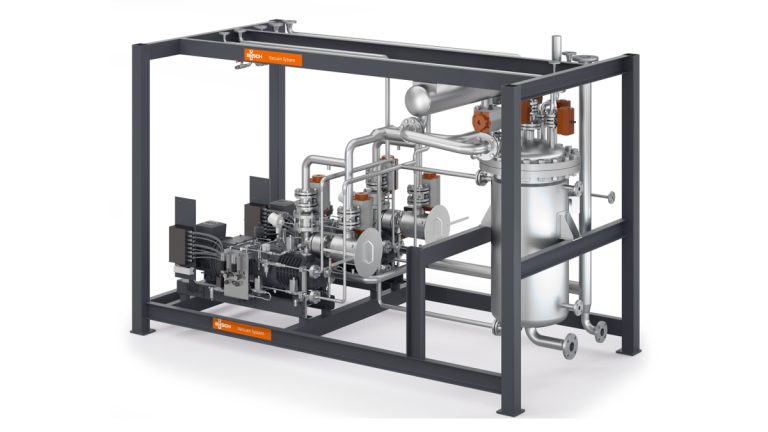
Vacuum technology is widely used across industries such as chemical processing, packaging, semiconductor manufacturing, and research laboratories. To ensure optimal performance, however, vacuum systems must be carefully designed to balance reliability, efficiency, and operational cost. A well-engineered vacuum process can significantly reduce energy consumption, improve productivity, and extend equipment life.
Experts highlight four essential considerations when designing vacuum processes to maximize efficiency.
1. Choosing the Right Vacuum Technology
Selecting the correct type of vacuum pump is critical for process efficiency. Different technologies—such as rotary vane, screw, Roots, or turbomolecular pumps—are suited for different pressure ranges and process conditions. Matching the pump technology to the application ensures stable operation and optimal vacuum performance.
2. Correct System Sizing
A vacuum system that is either too large or too small can waste energy and reduce operational efficiency. Properly sizing pumps and system components allows them to operate closer to their optimal performance point, minimizing unnecessary energy use while maintaining reliable vacuum levels.
3. Automation and Intelligent Control
Modern vacuum processes increasingly rely on automation and digital monitoring systems. Technologies such as variable-speed drives and smart controllers enable pumps to adjust their performance based on real-time demand. This reduces energy consumption, prevents unnecessary wear, and allows operators to monitor system health through predictive maintenance tools.
4. Centralized Vacuum Systems
Instead of operating several individual pumps across different production lines, many facilities implement centralized vacuum systems. These systems distribute vacuum from a central location, optimizing load sharing and improving energy efficiency. Centralization also simplifies maintenance and reduces operational complexity in large facilities.
Improving Process Efficiency and Sustainability
Efficient vacuum system design is not just about selecting the right pump—it requires a holistic approach that integrates equipment selection, system layout, control technology, and operational strategy. When these factors are carefully considered, organizations can achieve lower energy consumption, improved reliability, and more sustainable industrial operations.
As industries continue to focus on productivity and sustainability, optimizing vacuum processes will remain a key step toward achieving efficient and future-ready manufacturing environments.
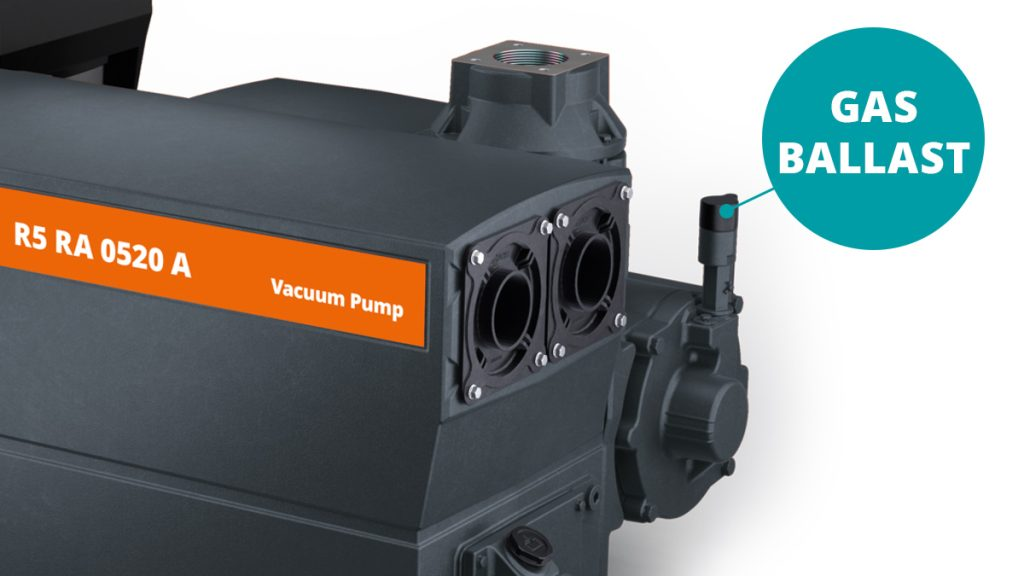
Gas-ballast system installed on a R5 RA 0520 A rotary vane vacuum pump. (Image source: Busch Vacuum Solutions)
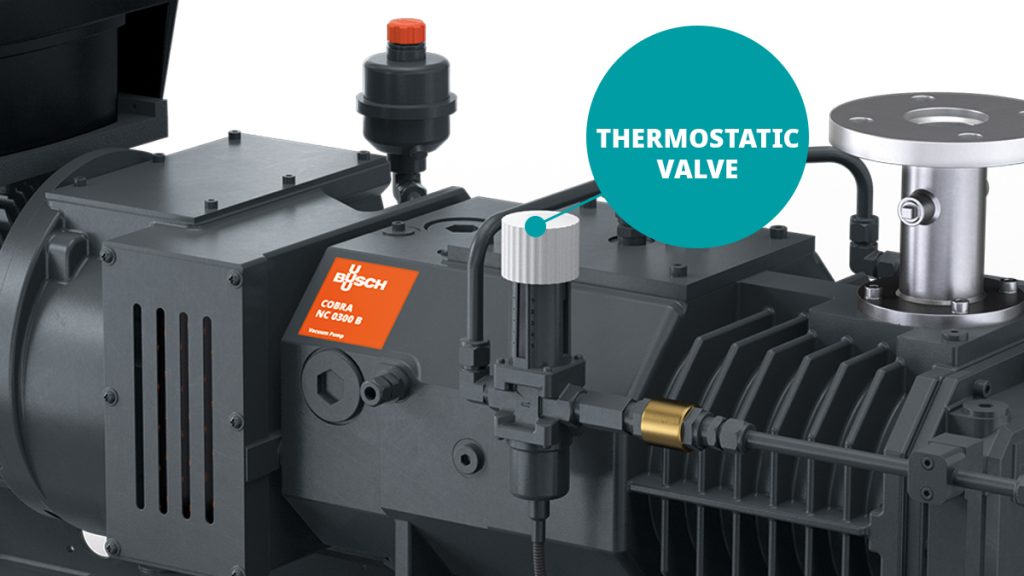
Thermostatic valve on a COBRA NC 0300 B dry screw vacuum pump. (Image source: Busch Vacuum Solutions)